
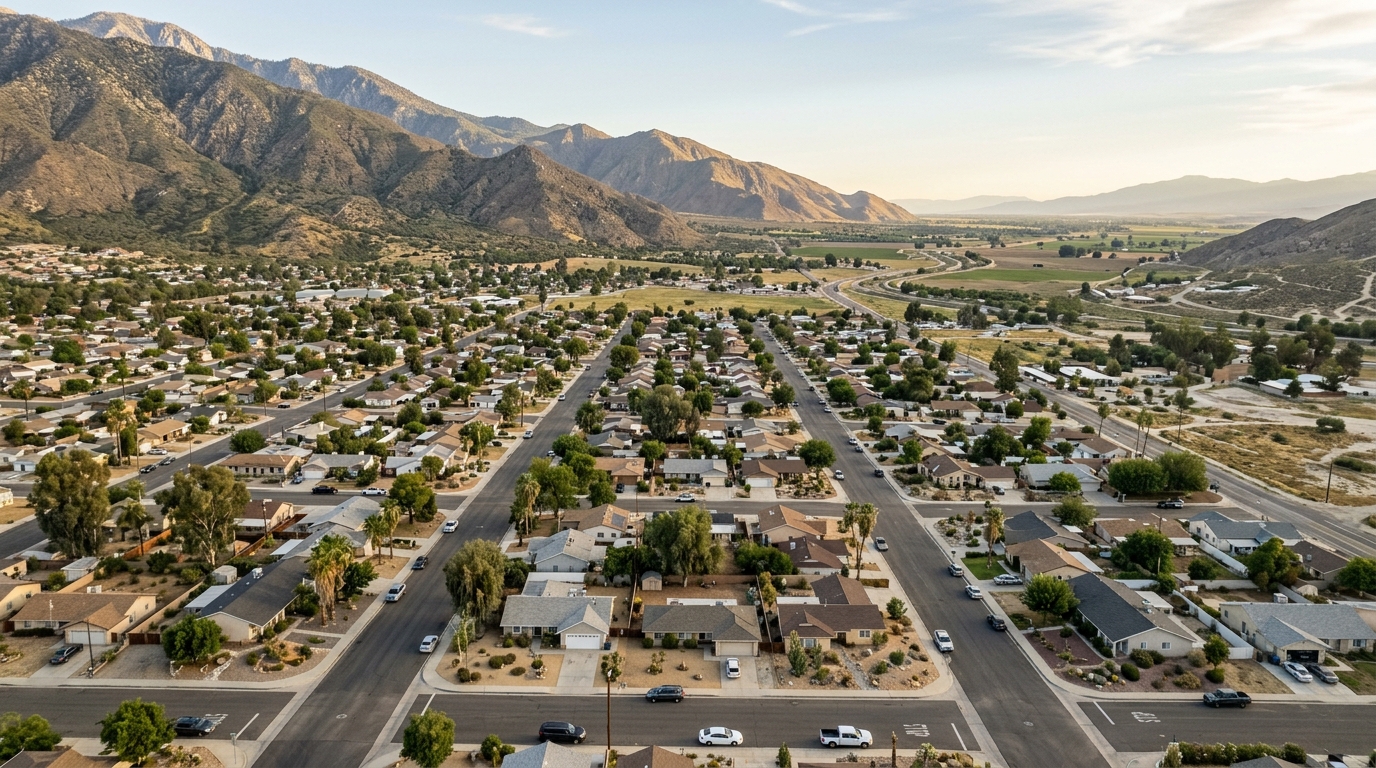
Moving to Hemet can make sense for many different reasons, but a good decision requires more than comparing listing photos and monthly payments. Hemet is a growing city in the San Jacinto Valley, and the experience of living there can vary by property, block, travel pattern and household need. A useful home search should connect housing with the realities of transportation, climate, insurance, maintenance, nearby services and how you expect to spend an ordinary week.
This guide provides a research framework rather than a ranking of neighborhoods or a prediction of future prices. Start with the broader context, then narrow your search through repeated visits, property-specific due diligence and advice from qualified professionals. The Hemet relocation guide and neighborhoods hub can help you organize that process.
Understand Hemet’s Housing Context Before Comparing Listings
Hemet’s population has continued to grow since the 2020 Census, and the City maintains an adopted Housing Element covering the 2021–2029 planning period. Those facts explain why housing supply, infrastructure and community services remain active planning topics. They do not tell you whether a specific house is fairly priced, whether a planned project will be completed on a particular schedule or whether one part of the city is automatically a better fit than another.
Start with growth and housing supply—not just asking prices
The U.S. Census Bureau’s QuickFacts profile for Hemet provides a current baseline for population, households, income and housing characteristics. The City’s Housing Element page explains the official planning framework for existing and future housing needs. Read these sources as context, then return to the practical question: what supply is actually available for your budget, property type and desired move date?
Use official plans as context, not a prediction
A housing plan identifies goals, programs and sites, but it is not a promise that every proposed unit or improvement will be delivered exactly as described. Development can be affected by approvals, financing, market conditions, infrastructure and construction schedules. When a listing or sales conversation relies heavily on a future road, park, retail center or housing project, locate the official project page or public record and check its current status. Hemet Living separates confirmed information from proposals in the Development & Planning section.
Market portals can be useful for finding active listings and recent sales, but automated estimates should not replace a comparative market analysis, appraisal or careful review of the property’s condition. Two homes with similar square footage can have different long-term costs because of roof age, heating and cooling equipment, solar agreements, drainage, insurance availability, lot condition, additions or deferred maintenance.
Compare neighborhood fit block by block
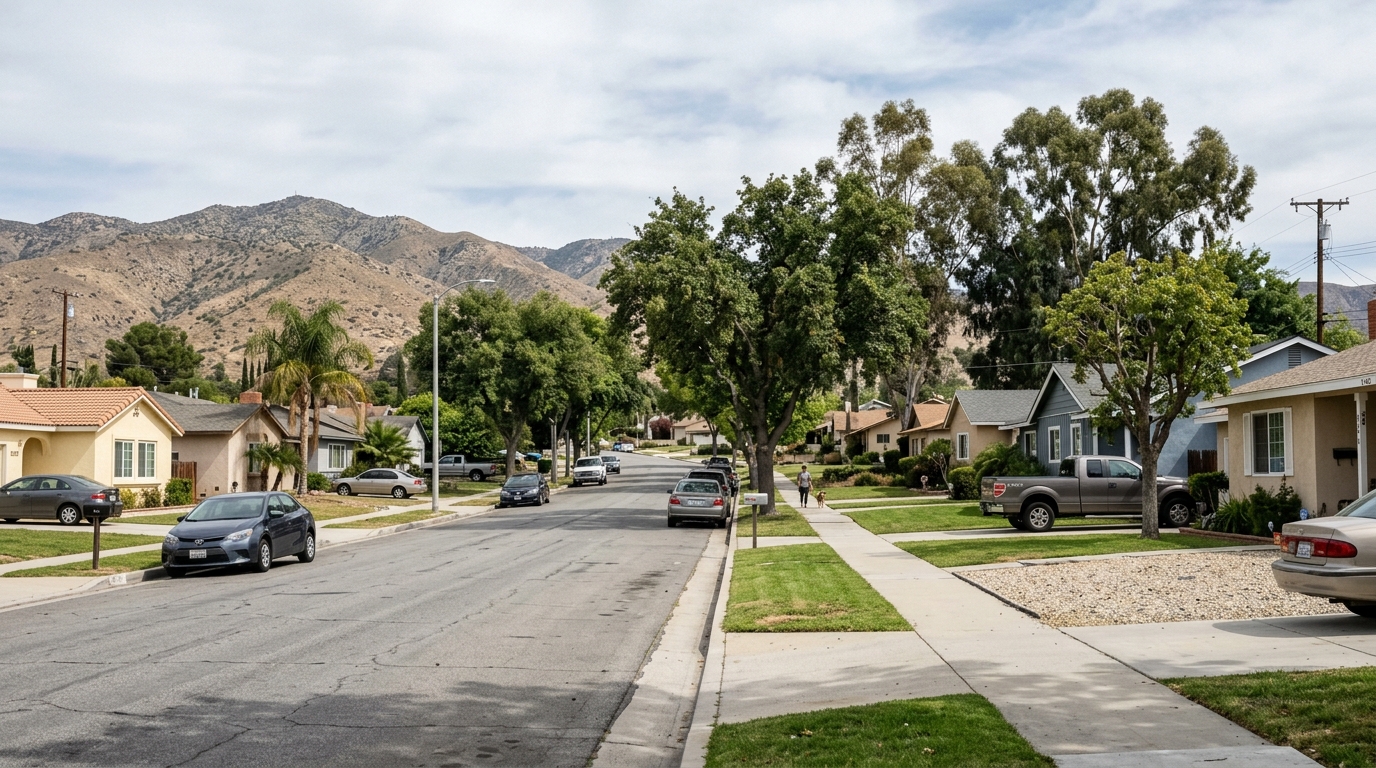
Neighborhood research works best when it is specific. Instead of asking for a single “best” area, define the conditions your household needs. Consider the type and age of housing, street layout, sidewalks, shade, access to groceries and medical care, distance from regular destinations, outdoor noise, traffic patterns and how the area feels at different times of day. A broad neighborhood name may cover streets with noticeably different housing stock and access.
Visit more than once. A quick weekend drive may not reveal weekday school traffic, evening noise, sun exposure, parking demand or the travel time to a job site. Walk the immediate block where safe, observe how neighboring properties are maintained and look at the routes you would use rather than the route a mapping app selects during a quiet period.
Check hazards, insurance and property condition early
Do not wait until the final days of a transaction to investigate insurance and environmental conditions. Ask an insurance professional for a property-specific quote early enough to understand availability, exclusions and cost. Review official hazard information, but do not treat a generalized map as a substitute for inspection or professional evaluation. Heat exposure, wildfire conditions, drainage, soil, wind and the condition of nearby vegetation can affect maintenance and comfort even when a property is not in the highest mapped hazard category.
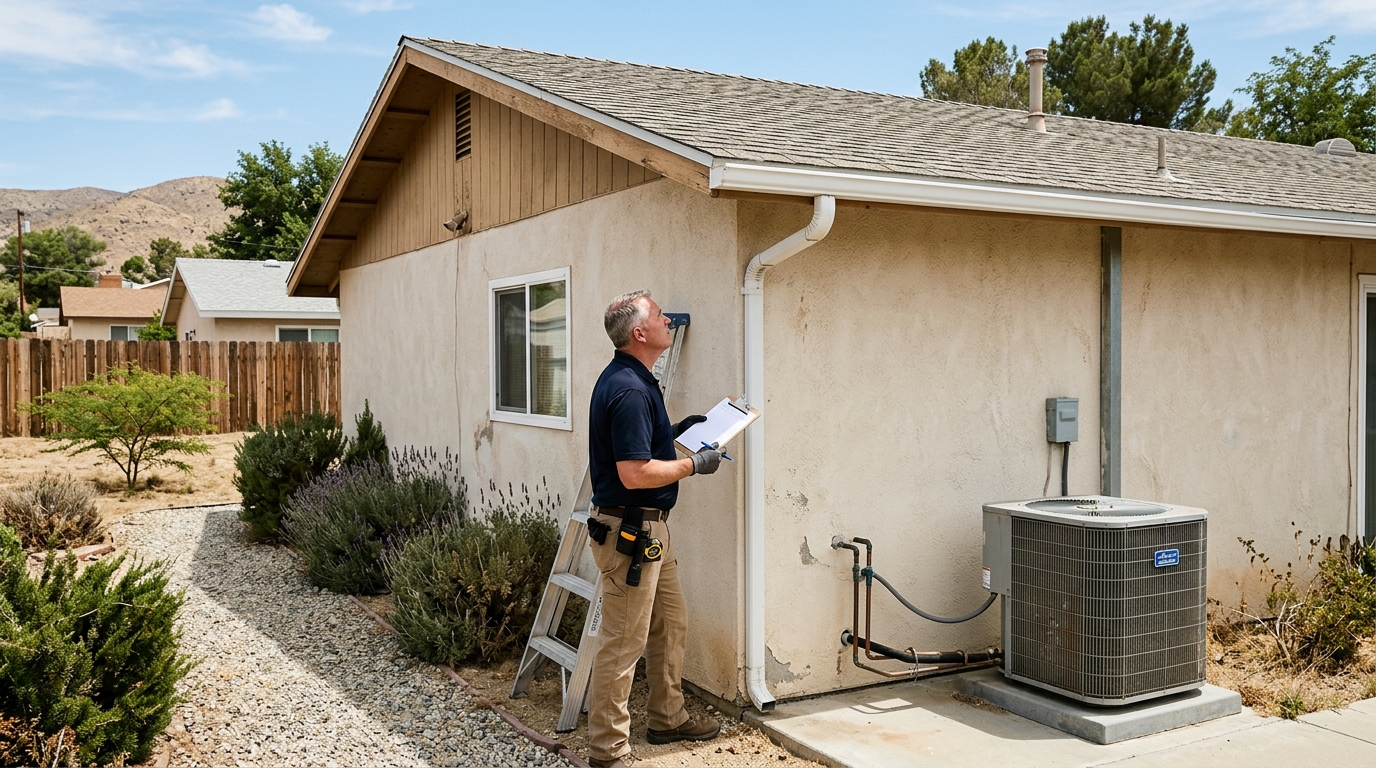
Schedule inspections appropriate to the building, site and transaction. A general inspection may identify the need for roof, electrical, plumbing, HVAC, sewer, pest, chimney, pool, foundation or other specialist review. Confirm whether additions and conversions were permitted. Review the preliminary title report, disclosures, utility arrangements and any homeowners association documents. The homebuyer due-diligence guide provides a checklist, but your contract and professional advisers should control the actual process.
Build a Smarter Home Search Around Daily Life
A home can appear affordable and still be a poor fit if the location creates high transportation costs, difficult daily travel or limited access to the services your household uses. Conversely, a modest property may work well when it supports a shorter routine, manageable maintenance and the activities you value. The best comparison is not simply house versus house; it is one complete daily-life scenario versus another.
Before narrowing the list, create a simple comparison sheet for every serious property. Record the purchase or rent figure, estimated monthly carrying costs, expected repairs, typical travel time, internet availability, parking, outdoor space and the services you would use most often. Use the same questions for every home so an attractive feature does not hide a larger drawback. Keep a separate column for information that still needs verification. This makes it easier to distinguish confirmed facts from assumptions and gives your agent, inspector, lender or property manager a clearer set of questions to address.
Verify commute, services and recreation in person
Create a weekly map before choosing a property. Include work, school, childcare, medical appointments, groceries, family support, worship, recreation and any recurring trips outside Hemet. Test several realistic routes and note where road design, construction, weather or peak traffic may change the trip. When remote work is part of the plan, verify internet options at the exact address rather than relying on a provider’s general service-area statement.
Test the route at the time you will actually travel
Drive or ride your likely commute during the relevant weekday period. Mapping estimates can change quickly, and a route that feels simple at midday may be different during school arrival, afternoon traffic or a regional event. If you expect regular trips toward Riverside, Temecula, the Coachella Valley or mountain communities, test those patterns before making a commitment. Include fuel, vehicle wear, parking and time in your housing budget.
Daily life also includes the reasons you want to be in Hemet. Official sources confirm major local anchors such as Diamond Valley Lake, Simpson Park, the Western Science Center and the Ramona Bowl Amphitheatre, but hours and access can change. Use the Things to Do and Outdoors hubs to plan visits, then verify current information with the operator or agency before traveling.
Confirm ongoing costs and rules before making an offer
Build a property budget that extends beyond principal and interest. Include estimated property taxes, insurance, utilities, maintenance, possible homeowners association dues, commuting costs and near-term repairs. California property tax calculations and special assessments can be property-specific, so review the actual tax record and ask qualified professionals to explain items you do not understand. Do not assume the seller’s current insurance premium or utility cost will transfer to you.
For solar-equipped homes, identify whether the system is owned, financed, leased or subject to a power purchase agreement. Request the contract and current operating information. For older homes, budget for systems that may be functional today but approaching the end of their expected service life. For newer homes, review builder documents, warranties, lot grading and community rules rather than assuming new construction removes the need for inspection.
When choosing local professionals, use the real-estate directory as a discovery tool, not an endorsement. Confirm the person’s current license where applicable, interview more than one provider and ask how they handle the type of property or transaction you are considering. Read the directory policy to understand how listings are selected and labeled.
A sound decision may take longer than an online search, but the extra work is valuable. Start with official context, define your household’s real needs, visit repeatedly and investigate the exact property. Hemet may offer the housing type, outdoor access and valley setting you want, but the right conclusion depends on evidence specific to your routine, finances and risk tolerance—not a generalized promise about the city.