
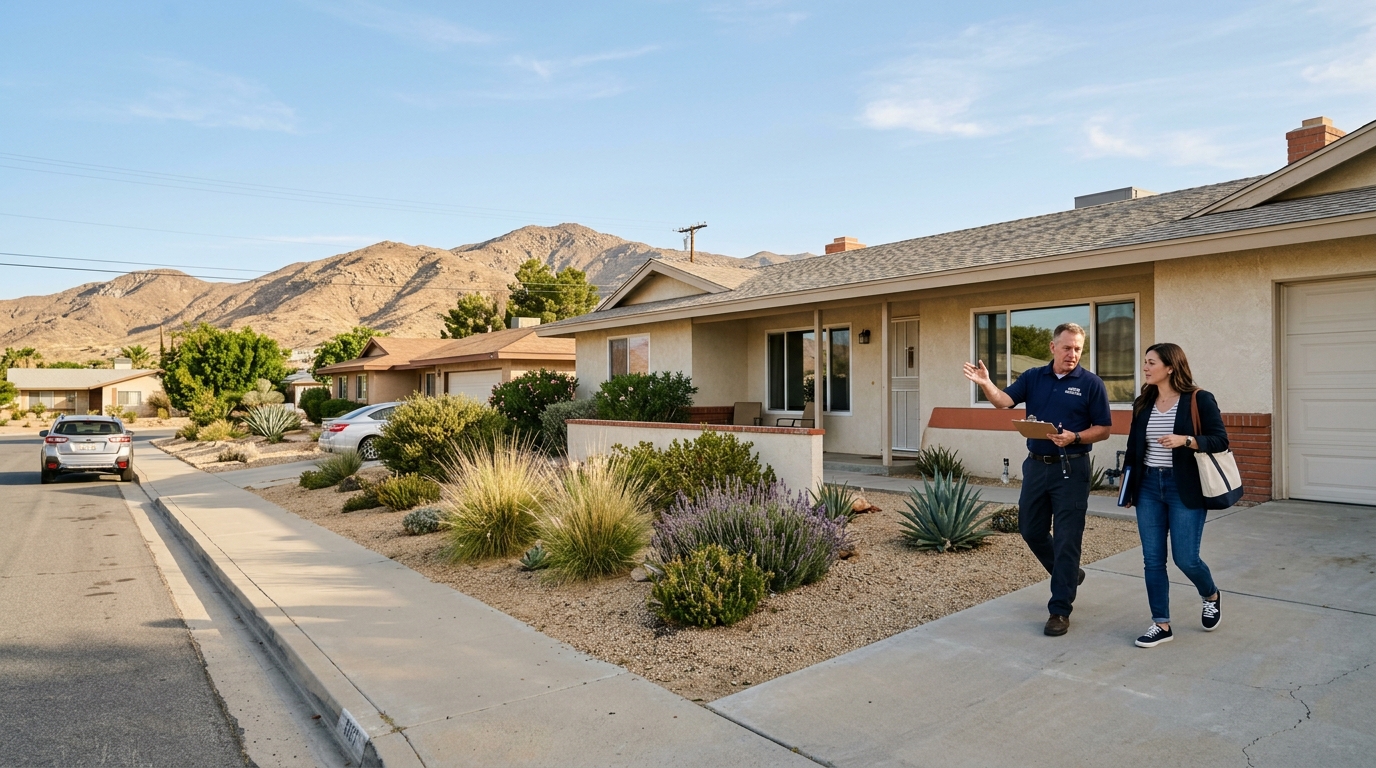
Buying a home in Hemet requires more than comparing price, square footage and photographs. The same property can carry very different long-term costs depending on its cooling system, roof, landscaping, insurance options, permit history and exposure to wildfire-related requirements. These issues are not reasons to avoid a home automatically. They are reasons to investigate the exact address before your inspection and financing deadlines expire.
This guide is a practical research framework, not legal, insurance, engineering or real-estate advice. Start with the broader steps in the moving to Hemet housing guide, then build an address-specific file containing disclosures, insurance quotes, inspection findings, permit records and written answers from qualified professionals. Do not rely on a neighborhood label, a listing description or a single online map to make the final decision.
Check Hazards and Operating Costs Before Waiving Contingencies
Hazard research should begin early because it can affect insurance availability, maintenance responsibilities, renovation choices and monthly costs. A seller’s Natural Hazard Disclosure is important, but it is not the only document worth reviewing. Buyers should compare the disclosure with official maps, inspect the property’s physical condition and ask whether the home has features that reduce or increase vulnerability.
Read fire maps and disclosures without overstating them
The City of Hemet currently directs property owners to updated 2025 Fire Hazard Severity Zone information from the Office of the State Fire Marshal. Its page presents proposed maps for local responsibility areas and explains that Very High Fire Hazard Severity Zones can trigger defensible-space and Wildland-Urban Interface building requirements. Because map status and parcel boundaries can change, check the City page and the official Fire Hazard Severity Zone viewer using the exact address.
California’s Department of Real Estate also explains that the Natural Hazard Disclosure Statement now identifies whether a property is in a high fire hazard severity zone and whether it lies in a state or local responsibility area. Review the actual report supplied in the transaction and ask questions when the map, disclosure and visible site conditions appear inconsistent. A boundary on a statewide map does not describe roof condition, vegetation, access roads, neighboring parcels or the home’s ability to resist embers.
Hazard zones are planning tools, not insurance quotes
The California Department of Insurance states that CAL FIRE hazard maps are intended for planning and are not themselves used to set insurance rates or determine availability. Insurers may use catastrophe models and their own property information. That means a home outside a mapped Very High zone can still be difficult or expensive to insure, while a home inside a mapped zone may have options that depend on construction, mitigation, company appetite and the broader insurance market.
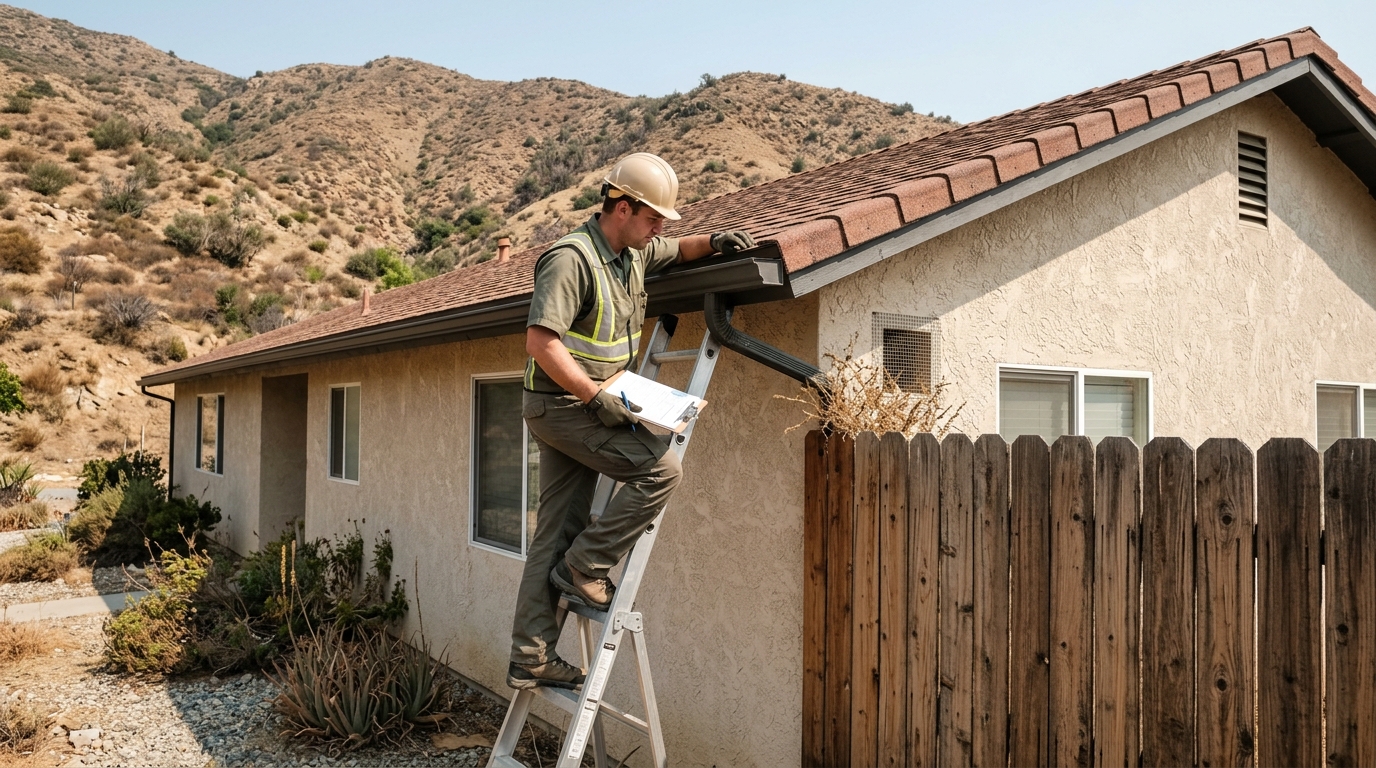
Walk the property with wildfire conditions in mind. Look for combustible material near exterior walls, wood fencing attached to the structure, vulnerable vents, debris in gutters, overhanging vegetation and limited access around the building. An inspector can identify visible conditions, but a contractor, fire-safety professional or insurer may be needed for a more specialized evaluation. Do not promise yourself that a simple landscaping cleanup will resolve every concern.
Test insurance and heat-related costs before committing
Request property-specific insurance quotes as soon as the address becomes a serious candidate. Give the insurer accurate information about the roof, electrical system, plumbing, heating and cooling equipment, prior claims, attached structures, solar installation and planned occupancy. Ask whether the quote is admitted-market coverage, surplus-lines coverage or a combination involving the California FAIR Plan and a separate difference-in-conditions policy. Compare exclusions, deductibles and limits, not just the annual premium.
The Department of Insurance explains that dwelling coverage should reflect estimated rebuilding cost rather than the purchase price or market value of the land. Ask how the replacement-cost estimate was calculated and whether the policy includes adequate ordinance-or-law coverage, debris removal, loss of use and coverage for detached structures. Keep written copies of quotes and assumptions because a verbal estimate may change after inspection, underwriting or final application review.
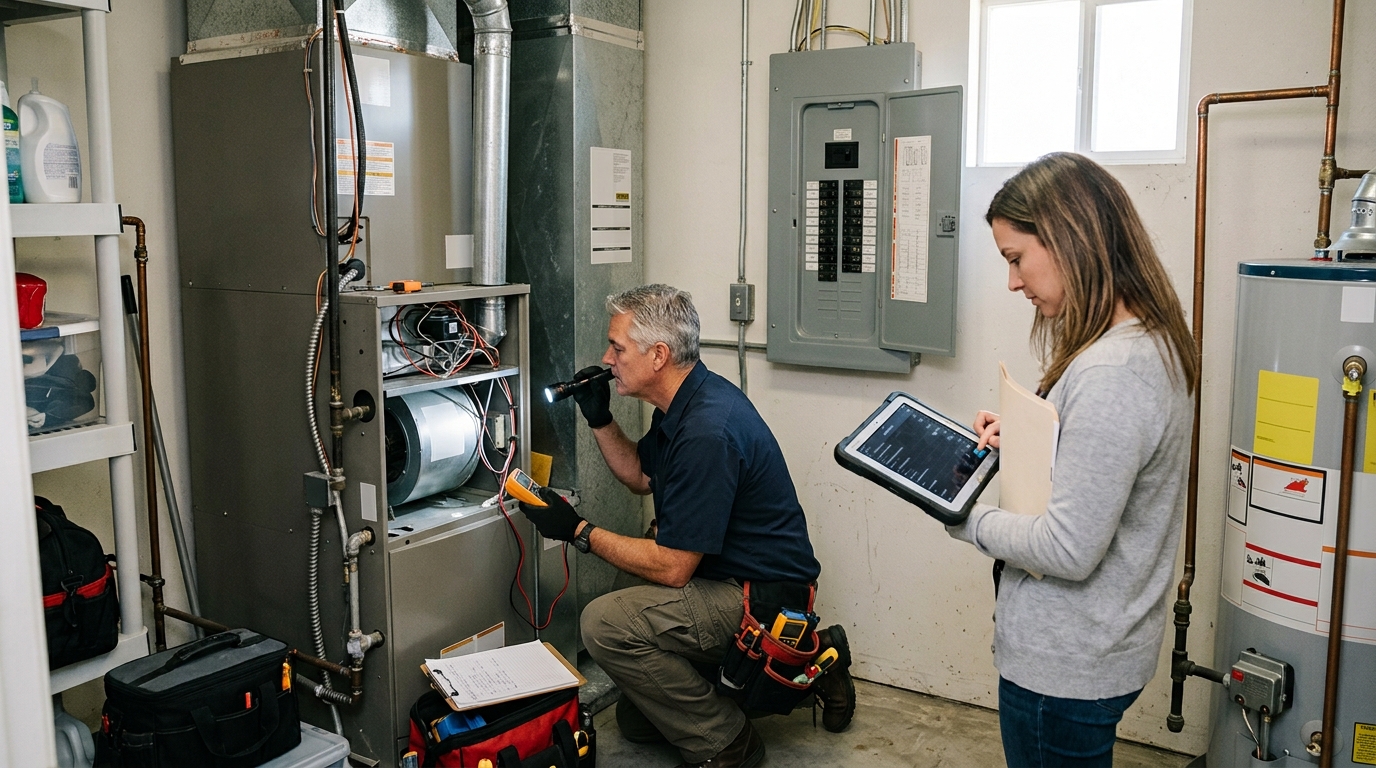
Heat exposure should be treated as a property-cost issue. During inspection, test the air-conditioning system under appropriate conditions, note its age and capacity, inspect accessible ductwork and ask about maintenance records. Review attic insulation, window condition, exterior shade, west-facing glass and ventilation. Request recent utility bills when available, while recognizing that another household’s usage may not predict yours. A large home with weak insulation or an aging system can create a very different monthly budget from a smaller, better-shaded property.
Mitigation can help, but it is not a coverage guarantee
California’s Safer from Wildfires framework identifies measures involving the structure, the immediate surroundings and the community. Examples include a Class A roof, ember-resistant vents, a five-foot ember-resistant zone, enclosed eaves and upgraded windows. The Department says qualifying actions can support insurance discounts, but the size of a discount and the decision to offer coverage depend on the insurer and the property.
Ask each insurer which improvements it recognizes, what documentation is required and whether the work must be completed before binding coverage. Do not spend money based only on a general checklist. Some upgrades may require permits, design review or coordination with other systems. When comparing homes, record the likely cost and timing of mitigation alongside the roof, HVAC, electrical panel and other major components.
Verify Construction, Permits and the Property’s Real Condition
Visible improvements do not prove that work was permitted, inspected or built correctly. Converted garages, enclosed patios, added bedrooms, wall removals, electrical upgrades, water-heater changes, solar systems, pools and accessory structures can affect safety, appraisal, insurance and future resale. A polished renovation may still contain undocumented work, while an older permitted project may no longer meet current standards but remain lawful for its time.
Compare the listing, disclosures, permits and inspection
The City of Hemet’s Building and Safety page links to its Community Development Web Portal, where users can search permit information and review plan status. Search by the exact address and compare the results with what you see at the property. The City also maintains archived monthly and yearly building-permit records, but an online search may not contain every historical detail.
Measure the practical story of the house. Does the bedroom count match public records and the listing? Is a garage still usable as a garage? Are there signs of removed walls, added plumbing or upgraded electrical equipment? Ask the seller for permits, final approvals, plans, invoices and contractor details. California’s Department of Real Estate notes special disclosure obligations for certain recent sellers who completed additions, structural modifications, alterations or repairs after acquiring the property.
Investigate missing or incomplete permits before closing
A missing online record is a question, not final proof that work was illegal. Older records may require a direct request, and some maintenance work may not require a permit. Contact the City with the address and a clear description of the improvement. Ask whether a permit was issued, whether inspections were completed and whether the file shows an unresolved correction, expired permit or open case. Obtain written information when possible.
Do not assume that a retroactive permit will be simple. The City may require plans, investigation, access to concealed work, corrections or removal, depending on the facts and applicable rules. Discuss the issue with your inspector, agent, lender, insurer and a qualified contractor before deciding whether to proceed. Contract deadlines and remedies are transaction-specific, so legal questions belong with a California real-estate attorney.
Build one property file before making the final decision
Create a folder containing the Natural Hazard Disclosure, seller disclosures, title report, inspection reports, insurance quotes, permit search results, utility information and written follow-up questions. Add photographs of the roof edges, exterior clearances, electrical panel, HVAC equipment, water heater, solar hardware and visible additions. Note which statements are confirmed, which are professional opinions and which remain unanswered.
Use the real-estate directory to discover inspectors, insurance professionals and other providers, but verify licenses and experience independently. Review nearby planning issues through Hemet RISES and property decisions and the Hemet park-planning guide without confusing area proposals with parcel facts. A nearby project does not repair an aging roof, legalize an addition or guarantee future value.
The goal of due diligence is not to find a perfect home. It is to understand the obligations you are accepting. A well-researched Hemet purchase should include an insurable property, a realistic cooling and maintenance budget, clear answers about major improvements and a plan for any remaining risks. When the documents do not match the physical house, slow down and investigate before removing contingencies or transferring funds.